

Top Natural Fertilizers Every Home Garden Needs
Natural Plant Nutrition for Bigger Blooms, Healthier Vegetables and Living Soil
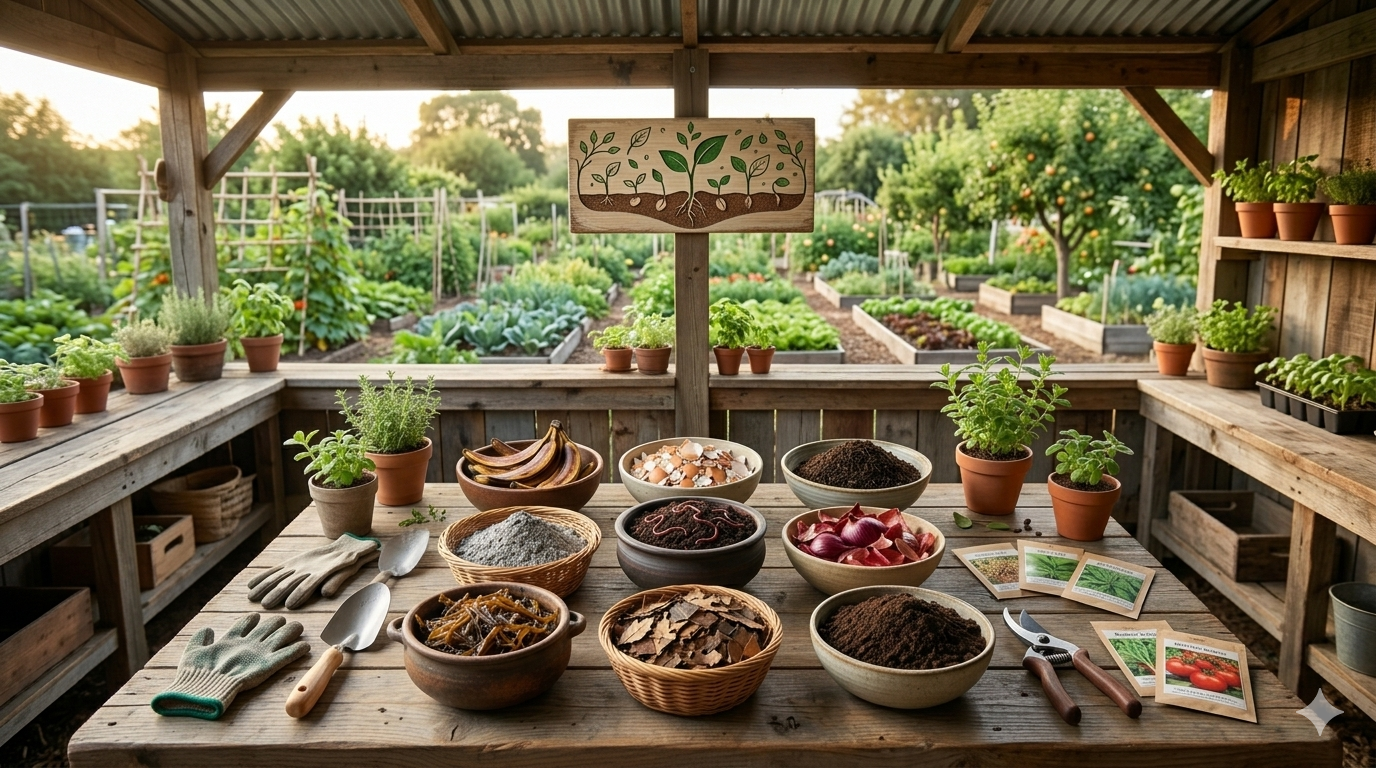
The healthiest home gardens are not built with chemical shortcuts. They are built with living soil. When the soil is alive with microbes, earthworms and organic matter, plants naturally become stronger, greener, more productive and more resistant to stress. That is exactly why experienced gardeners across the world are shifting back to organic fertilizers.
Unlike synthetic fertilizers that often give quick but short-lived growth, organic fertilizers nourish the soil slowly and steadily. They improve soil structure, increase water retention, encourage beneficial microbes and create long-term fertility that keeps gardens productive season after season.
Whether you grow tomatoes on a balcony, herbs in containers, flowering plants near a window or a complete terrace vegetable garden, the right organic fertilizers can completely transform your gardening results.
Here are the top natural fertilizers every home gardener should know about.
Compost — The King of Organic Gardening
If there is one fertilizer every home gardener should use, it is compost. Often called “black gold,” compost is made from decomposed kitchen scraps, dry leaves, garden waste and organic materials.
Compost improves almost everything in the garden. It increases soil fertility, improves drainage in heavy soils, boosts moisture retention in sandy soils and feeds beneficial microorganisms that help plant roots absorb nutrients more effectively.
One of the biggest advantages of compost is that it can be made at home for almost no cost. Fruit peels, vegetable scraps, tea leaves, coffee grounds and dry leaves can all become nutrient-rich fertilizer instead of waste.
For home gardens, compost works beautifully for:
- Vegetables
- Herbs
- Flowering plants
- Fruit plants
- Indoor plants
- Raised beds
Apply compost by mixing it into potting soil or by adding a layer around plants every 20–30 days.
Vermicompost — The Black Gold from Earthworms
Vermicompost, also known as worm castings, is one of the most powerful organic fertilizers for home gardens. It is produced when earthworms digest organic matter and convert it into nutrient-rich castings packed with beneficial microbes and plant nutrients.
Home gardeners love vermicompost because plants respond quickly to it. Seedlings become healthier, leaves appear greener and flowering improves significantly.
It is especially useful for:
- Container gardening
- Seed starting
- Terrace gardens
- Vegetable plants
- Indoor plants
Unlike many fertilizers, vermicompost is gentle and rarely burns plants. A small handful added near the roots every few weeks can dramatically improve plant health.
Cow Dung Manure — Traditional but Powerful
Cow dung manure has been used in gardening for centuries and remains one of the most effective organic fertilizers for enriching soil naturally.
Well-decomposed cow manure improves soil texture, microbial activity and overall fertility. It releases nutrients slowly and supports long-term soil health.
Fresh manure should never be used directly because it may burn roots and generate excess heat. Always use aged or composted manure.
Cow manure is excellent for:
- Vegetable gardens
- Fruit plants
- Flowering plants
- Soil preparation before planting
Mix it into the soil before planting or apply lightly around established plants.
Neem Cake — Fertilizer and Soil Protector
Neem cake is one of the most underrated organic fertilizers for home gardeners. Made from the residue left after neem oil extraction, neem cake acts both as a fertilizer and as a natural soil protector.
It improves soil fertility while helping reduce soil pests and harmful nematodes.
Neem cake is particularly valuable for:
- Vegetable plants
- Pots and grow bags
- Balcony gardens
- Organic kitchen gardens
Because it releases nutrients slowly, it keeps plants nourished over time without sudden nutrient spikes.
Mix a small quantity into the soil every 45–60 days for best results.
Bone Meal — The Root and Flower Booster
Bone meal is a phosphorus-rich organic fertilizer made from finely ground animal bones. It is especially useful for promoting strong roots, flowering and fruiting.
If your flowering plants produce weak blooms or your tomatoes and chillies struggle to fruit properly, bone meal can make a visible difference.
It works particularly well for:
- Roses
- Hibiscus
- Tomatoes
- Bulb plants
- Root vegetables
Bone meal breaks down slowly, making it ideal for long-term feeding. It is best mixed into the soil during planting or repotting.
Seaweed Fertilizer — The Plant Stress Shield
Seaweed fertilizer, often available as kelp meal or liquid seaweed extract, is loaded with trace minerals, amino acids and natural growth stimulants.
Although it is not extremely high in NPK nutrients, seaweed fertilizer improves overall plant vigor and helps plants tolerate heat, drought and transplant stress much better.
Home gardeners often use seaweed fertilizer as a foliar spray because plants absorb it quickly through leaves.
It is excellent for:
- Indoor plants
- Seedlings
- Flowering plants
- Vegetable plants during summer stress
Regular use often leads to stronger roots, healthier foliage and improved flowering.
Fish Emulsion — Fast Nutrition for Quick Growth
Fish emulsion is a liquid organic fertilizer made from fish byproducts. It is rich in nitrogen and works quickly compared to many slow-release organic fertilizers.
If plants appear pale, weak or slow-growing, fish emulsion can provide a rapid boost.
It is especially useful for:
- Leafy vegetables
- Herbs
- Young plants
- Recovery after pruning
Because it is concentrated, it should always be diluted before application. Most gardeners apply it once every two weeks during active growth.
The only downside is its strong smell, but the results are often impressive.
Banana Peel Fertilizer — Homemade Potassium Booster
Banana peels are rich in potassium, an essential nutrient for flowering and fruiting plants.
Instead of throwing peels away, home gardeners can turn them into highly effective fertilizer by:
- Drying and grinding them into powder
- Composting them
- Soaking them in water for a liquid fertilizer
Banana peel fertilizer works wonderfully for:
- Roses
- Tomatoes
- Chillies
- Flowering plants
It helps support stronger stems, better flowering and healthier fruit development.
Compost Tea — Liquid Life for Plants
Compost tea is a liquid fertilizer made by soaking compost in water for several hours or days. The resulting liquid becomes rich in beneficial microbes and nutrients.
Home gardeners love compost tea because it is:
- Easy to make
- Budget-friendly
- Fast acting
- Excellent for potted plants
It can be applied directly to soil or sprayed onto leaves. Plants often respond with greener growth and improved vigor within days.
Compost tea is particularly effective during:
- Summer stress
- Flowering stages
- Transplant recovery
- Seedling establishment
Smart Tips for Using Natural Fertilizers in Home Gardens
One of the biggest mistakes beginners make is overfeeding plants. Organic fertilizers are safer than chemical fertilizers, but excess application can still create problems.
For best results:
- Use small amounts regularly instead of heavy doses occasionally.
- Water plants after applying dry fertilizers.
- Rotate different organic fertilizers for balanced nutrition.
- Always use well-decomposed organic matter.
- Observe plants carefully and adjust feeding based on growth.
Another important tip is to focus on soil health rather than simply feeding the plant. Healthy soil naturally produces healthier plants.
Why Natural Fertilizers Are Better for Home Gardens
Organic fertilizers do much more than simply supply nutrients. They create an entire ecosystem beneath the soil surface. Beneficial bacteria, fungi and earthworms thrive in organically enriched soil, making nutrients more available to plants over time.
For home gardeners, this means:
- Healthier vegetables
- Better tasting produce
- More flowers
- Improved soil fertility
- Reduced chemical exposure
- Sustainable gardening
The transition to organic gardening may take a little patience initially, but the long-term rewards are far greater.
Final Thoughts
A successful home garden is not built overnight. It grows gradually through healthy soil, balanced nutrition and consistent care. Organic fertilizers offer one of the safest, most sustainable and most rewarding ways to grow vibrant plants naturally.
You do not need expensive chemicals to grow beautiful flowers, productive vegetables or lush green foliage. In many cases, the best fertilizers are already sitting in your kitchen, compost bin or local garden store.
Start simple. Use compost regularly, add vermicompost for extra power and experiment with natural boosters like neem cake, banana peel fertilizer and seaweed extracts. Over time, your soil will become richer, your plants stronger and your garden far more resilient.
A thriving organic garden does not just grow plants — it grows life.
#OrganicGardening #HomeGarden #OrganicFertilizers #KitchenGarden #TerraceGarden #Compost #Vermicompost #UrbanGardening #NaturalFarming #ChemicalFreeGardening #GardenTips #SustainableLiving #HealthySoil #GrowYourOwnFood #PlantCare