


The Right Time to Water Plants for Maximum Growth
Discover how the timing of irrigation can transform plant health, improve yields, and prevent costly crop losses
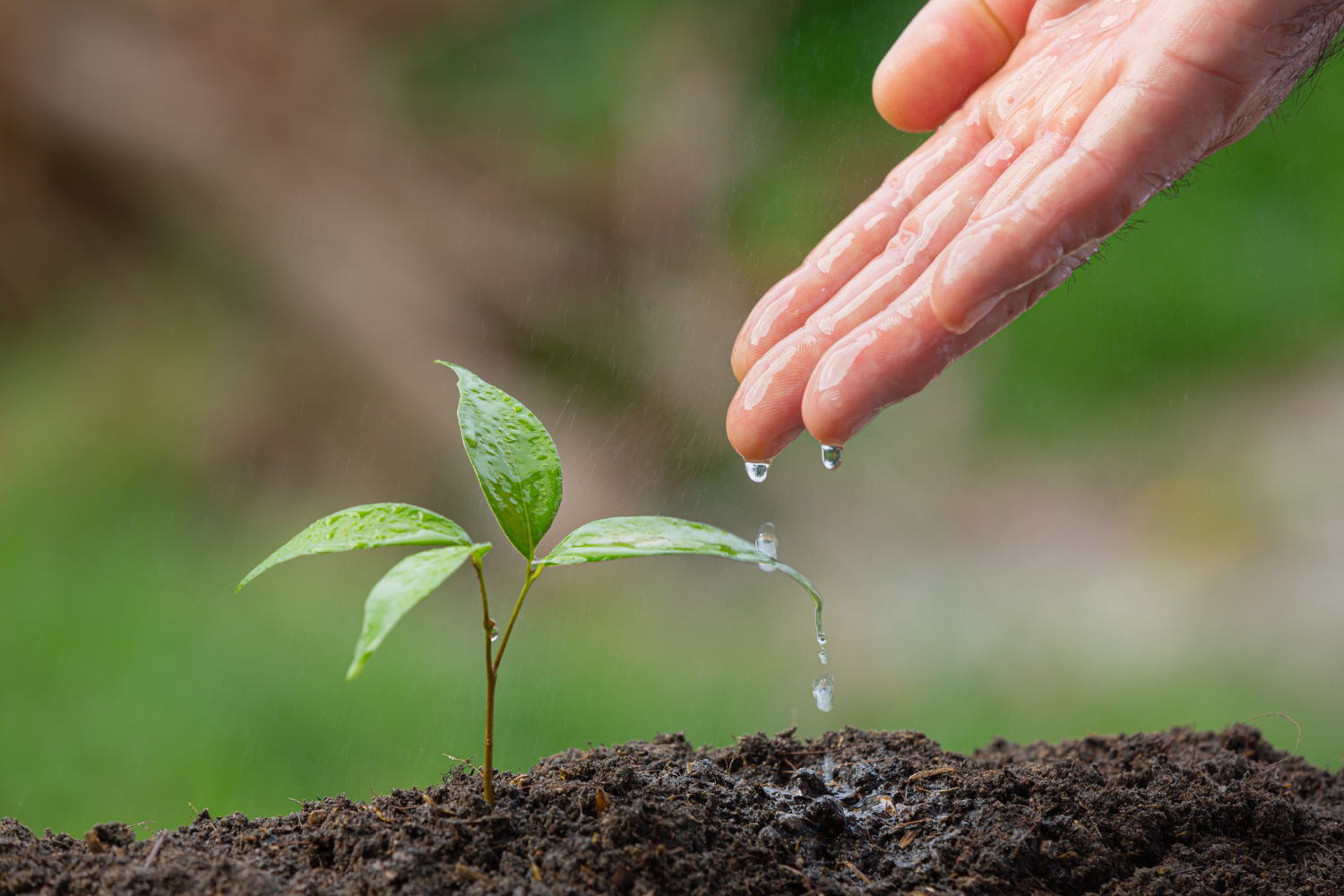
Water is the lifeblood of every plant, but surprisingly, when you water can be just as important as how much you water. Many gardeners and farmers carefully monitor the quantity of irrigation while overlooking the timing, unknowingly affecting plant growth, nutrient uptake, disease resistance, and overall productivity. Understanding the science behind morning and evening watering can help you grow healthier plants, reduce water wastage, and protect your crops from avoidable stress.
Why Watering Time Matters
Plants constantly exchange water with the atmosphere through a natural process called transpiration. During the day, sunlight encourages photosynthesis, nutrient movement, and water uptake from the roots. The timing of irrigation directly influences these biological processes.
Properly timed watering ensures that plants receive moisture when they need it the most while minimizing the conditions that favor diseases, pests, and root problems. A simple change in watering schedule can often produce healthier plants without increasing water consumption.
Morning Watering: Nature's Preferred Schedule
For most crops, home gardens, ornamental plants, and lawns, watering early in the morning is considered the best practice. The ideal time is shortly after sunrise, before temperatures begin to rise significantly.
Morning watering prepares plants for the day's heat by replenishing moisture lost overnight and providing sufficient water for photosynthesis throughout the day.
Better Water Absorption
When the soil is cool during the early morning hours, water infiltrates more efficiently into the root zone. Plant roots begin absorbing moisture immediately as daylight activates their metabolic processes.
This allows crops to remain hydrated during the hottest part of the day, reducing stress caused by high temperatures.
Lower Risk of Fungal Diseases
One of the greatest advantages of morning watering is that leaves dry quickly after sunrise.
Many fungal diseases require prolonged leaf wetness to infect plants. Since morning sunlight and increasing temperatures rapidly evaporate moisture from leaf surfaces, the chances of fungal infections decrease considerably.
Dry foliage is one of the simplest and most effective methods of disease prevention.
Improved Plant Health
Plants supplied with water early in the day remain physiologically active.
Adequate moisture supports:
- Strong root development
- Better nutrient transport
- Efficient photosynthesis
- Higher flower production
- Improved fruit and vegetable quality
- Faster overall growth
Healthy plants also become naturally more resistant to environmental stress.
Reduced Plant Stress
When plants experience sufficient moisture before the afternoon heat, they maintain better leaf temperature through transpiration.
This reduces wilting, leaf scorching, blossom drop, and growth interruptions commonly seen during hot weather.
Establishes a Healthy Routine
Morning irrigation encourages consistency.
Regular watering schedules allow soil moisture levels to remain relatively stable, preventing repeated cycles of drought followed by overwatering.
Plants generally perform better under stable moisture conditions than under irregular irrigation patterns.
Evening Watering: Convenient but Requires Care
Many people prefer watering after returning home from work. While evening irrigation is certainly possible, it comes with several risks that require proper management.
Evening watering is not inherently harmful, but the way it is done makes a significant difference.
Increased Risk of Disease
The biggest concern with late-day watering is prolonged moisture.
When leaves remain wet overnight, humidity stays trapped around the plant canopy. These damp conditions create an ideal environment for fungal pathogens, bacterial infections, and mildew development.
Diseases often spread much faster under cool, moist nighttime conditions.
Greater Pest Activity
Many garden pests become more active after sunset.
Moist environments attract slugs, snails, earwigs, and certain insects that feed on tender leaves and seedlings. Wet mulch and damp soil also provide favorable shelter for these pests.
Reducing unnecessary nighttime moisture helps discourage their activity.
Soil Remains Wet Longer
Since evaporation is minimal after sunset, water remains in the soil for extended periods.
Although this may seem beneficial, continuously saturated soil reduces oxygen availability around roots. Oxygen-starved roots become less efficient at absorbing nutrients and may eventually suffer from root rot in poorly drained soils.
Root Health Can Be Affected
Plants require both water and oxygen.
When soil stays excessively wet for long periods, root respiration decreases. Over time, weakened roots become more vulnerable to diseases and environmental stress.
Proper drainage becomes especially important when evening watering cannot be avoided.
Water May Be Used Less Efficiently
If watering is excessive during the evening, plants may not utilize all the available moisture before nightfall.
This unnecessary saturation can increase the risk of nutrient leaching in light soils while wasting valuable irrigation water.
When Evening Watering Is Acceptable
There are situations where evening watering becomes necessary, especially during extremely hot summers or when daytime schedules make morning irrigation impossible.
If you must water in the evening:
Water only the soil rather than the leaves. Irrigate as early in the evening as possible instead of late at night. Apply only enough water to reach the root zone without creating standing moisture. Ensure good air circulation around plants through proper spacing and pruning. Always use well-drained soil to prevent waterlogging.
With these precautions, many of the risks associated with evening watering can be significantly reduced.
The Importance of Deep Watering
Regardless of timing, shallow daily watering often encourages weak, surface-level roots.
Instead, water deeply and less frequently so moisture penetrates deeper into the soil profile. Deep watering encourages roots to grow downward, making plants more drought-tolerant and resilient during periods of heat.
Healthy root systems are the foundation of healthy plants.
Avoid Common Watering Mistakes
Many plant problems are caused not by lack of fertilizer but by improper watering habits.
Avoid spraying foliage unnecessarily, especially during humid weather. Never water according to a fixed calendar without checking soil moisture first. Insert a finger or moisture meter into the soil to determine whether irrigation is actually needed.
Overwatering is often more damaging than underwatering because it deprives roots of oxygen while encouraging disease.
Different Plants Have Different Water Requirements
Not every plant follows the same irrigation schedule.
Vegetables generally require consistent moisture during flowering and fruit development. Fruit trees benefit from deep but infrequent watering. Succulents and cacti need far less frequent irrigation than leafy vegetables. Newly transplanted seedlings require more careful watering until their root systems become established.
Understanding the specific needs of each crop always produces better results than applying a one-size-fits-all approach.
Seasonal Watering Tips
During summer, early morning watering becomes even more important because temperatures rise quickly and evaporation increases.
During cooler seasons, irrigation frequency can often be reduced because soil retains moisture for longer periods.
In the rainy season, watering should only be done after checking actual soil moisture rather than following routine schedules.
Seasonal adjustments help conserve water while maintaining healthy plant growth.
Smart Irrigation Practices for Better Results
Using mulch around plants helps retain soil moisture, suppress weeds, and reduce evaporation.
Drip irrigation delivers water directly to the root zone, improving water-use efficiency while keeping foliage dry. Soaker hoses provide similar benefits for gardens and landscape beds.
Combining these practices with proper watering timing creates a highly efficient irrigation system that supports both plant health and water conservation.
Final Thoughts
Water is one of agriculture's most valuable resources, but its effectiveness depends greatly on how and when it is applied. Morning watering offers numerous advantages by supporting healthy root activity, reducing disease pressure, minimizing plant stress, and improving overall growth. Although evening watering can be practiced when necessary, it should always be done carefully to avoid prolonged leaf wetness and excessive soil moisture.
Successful gardening and farming are built on understanding the natural rhythms of plants. By aligning irrigation practices with those rhythms, growers can produce stronger crops, healthier gardens, and better harvests while conserving precious water resources. Sometimes, the difference between an average crop and an exceptional one is simply choosing the right hour to water.
#MorningWatering #PlantCare #GardeningTips #SmartIrrigation #HealthyPlants #WaterConservation #SustainableAgriculture #CropManagement #SoilHealth #HomeGardening #OrganicFarming #PlantGrowth #GardenMaintenance #WaterWisely #EcoFriendlyFarming